Few things are more unsettling than feeling your car shake, hesitate, or lose power while driving. These symptoms often point to an engine misfire—a common issue that should never be ignored.
Understanding what causes engine misfires and what to do when they happen can help you avoid serious engine damage and costly repairs.
What Is an Engine Misfire?
An engine misfire occurs when one or more cylinders fail to fire properly. For combustion to happen, your engine needs:
- The correct amount of air
- The correct amount of fuel
- A strong spark at the right time
If any part of that equation is off, the cylinder won’t fire correctly—resulting in rough running, shaking, or loss of power.
Common Engine Misfire Causes
Engine misfires can have many causes, ranging from simple maintenance issues to more complex mechanical or electronic failures.
Ignition system problems
- Worn or failed spark plugs
- Faulty ignition coils
- Damaged plug wires (on older vehicles)
Fuel system issues
- Clogged or failing fuel injectors
- Low fuel pressure
- Contaminated fuel
Air and intake problems
- Vacuum leaks
- Dirty or faulty mass airflow sensors
- Sticking or carbon-clogged intake valves (common in direct-injection engines)
Mechanical issues
- Low engine compression
- Timing issues
- Valve or piston damage
Sensor or software faults
- Faulty engine sensors
- Outdated or corrupted engine control software
Modern European and Asian imports rely heavily on electronics and precise tolerances, so even small issues can trigger a misfire.
Signs Your Engine May Be Misfiring
Some misfires are obvious, while others are more subtle. Common symptoms include:
- Rough idle or shaking
- Hesitation or stumbling during acceleration
- Reduced fuel economy
- Loss of power
- Strong fuel smell from the exhaust
- Check engine light illuminated—especially if flashing!
Why You Should Never Ignore a Flashing Check Engine Light
No one wants to see their check engine light illuminate, but not all warnings are the same.
A solid check engine light typically means the car has detected a fault, but the car is likely safe to drive to a mechanic or auto shop that can run the code for you.
A flashing check engine light, on the other hand, means the car has detected an active engine misfire that could lead to serious damage—especially to the expensive catalytic converter—if you continue driving.
If your check engine light is flashing, you should stop driving as soon as it’s safe. To minimize damage, ease off the gas, avoid hills or hard acceleration, and pull over to call a tow truck as soon as you can.
Ignoring a misfire doesn’t make it go away. In fact, continued driving can turn a relatively minor repair—like spark plugs or coils—into major engine or exhaust system damage.
Why Early Engine Misfire Repairs Save Money
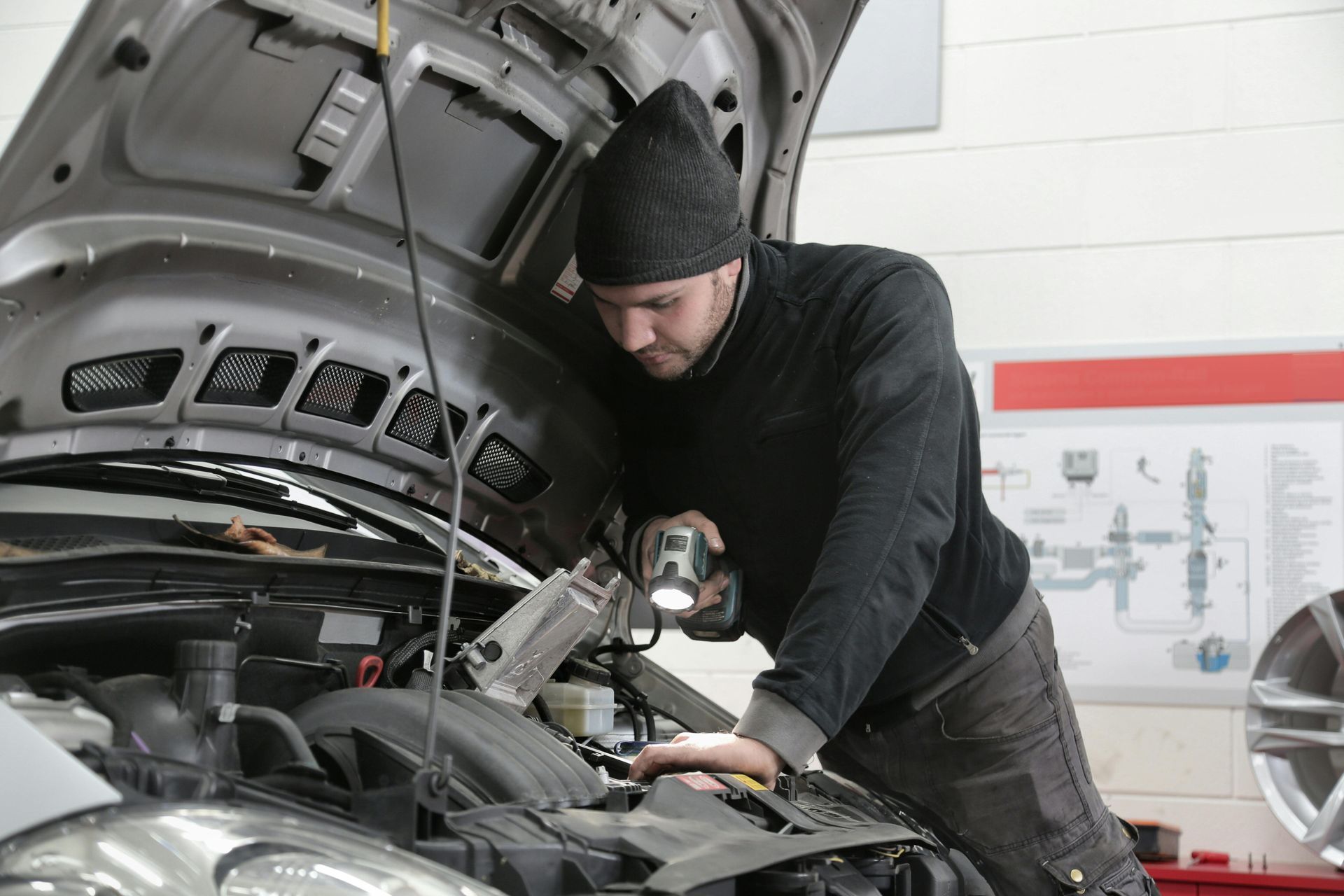
When you have a misfire, prompt diagnosis is critical. You should immediately have your car towed to the shop for an inspection. Modern vehicles store detailed fault codes that trained technicians use to pinpoint the exact cause of a misfire—saving time, guesswork, and unnecessary repairs.
Remember, engine misfires can have relatively minor causes, so don’t panic—but do take the warnings seriously. Having the engine looked at by a trusted mechanic like the experts at Import Specialty Service can mean the difference between a cheap spark plug replacement and rebuilding your entire engine.
Trust Nashville’s Import Specialists for Engine Misfire Repairs Near You
At Import Specialty Service in Nashville, we specialize in diagnosing and repairing engine misfires in Asian and European imports. Our technicians use advanced diagnostic tools, manufacturer-specific data, and real-world experience to find the root cause—not just the symptom.
If your check engine light starts flashing, you know who to call in a pinch. We offer after-hours drop-off and rideshare credits to reduce the inconvenience of being stranded by a misfire.
And as usual, an ounce of prevention is worth a pound of cure. Regular inspections and maintenance, like spark plug replacement, can prevent misfires before they happen.
>> Protect your engine with a preventative inspection. Book an appointment today.