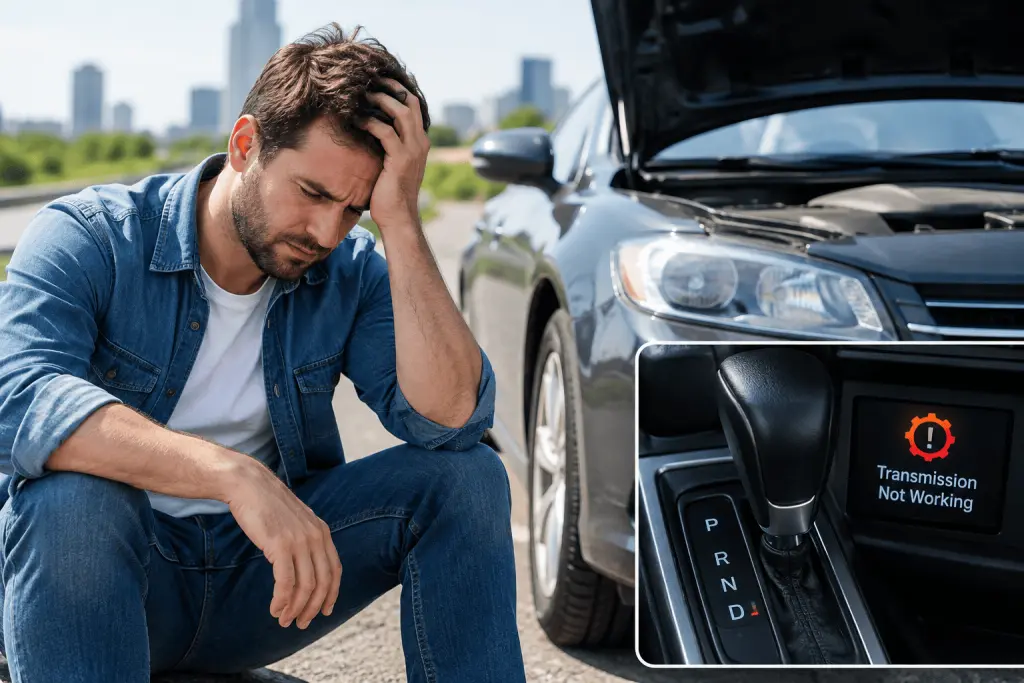
There’s an awkward pause after you put the car in gear. Long enough to wonder whether you actually selected Drive. Then it moves, perhaps with a bump you weren’t expecting. We wouldn’t ignore that, but we wouldn’t price a replacement transmission from that description alone either.
At Import Specialty Service in Nashville, TN, we want to know exactly where the pause occurs. Before the gear engages? After it engages, when you step on the gas? You don’t have to use shop terminology. Just walk us through what your foot, the engine, and the car are doing.
Waiting For Drive Or Reverse
In a conventional automatic, fluid pressure has to apply the internal clutches before power gets where it needs to go. A pressure problem can leave you waiting. Perhaps the fluid is low. Perhaps pressure is leaking past worn internal seals, or a valve or solenoid isn’t doing its job. That’s a few possible directions, not a verdict. We also have to establish what type of transmission is in the car. A description of how an older automatic works doesn’t cover every modern gearbox.
The Fluid Question Comes With Some Rules
Please don’t pour in a bottle just to see if the hesitation improves. Some cars don’t have a transmission dipstick, and checking the level may require a particular temperature and procedure. Too much is a problem as well as too little. The fluid specification matters, too. If we do find it low, we need to look for the leak. It doesn’t normally get used up. You may only have dampness around a line or seal, not a puddle large enough to notice on the driveway.
Is The Engine Struggling, Or Revving Freely?
Try describing the sound from the last time it happened. Did the engine get louder while the car barely moved? That can fit slipping or an engagement problem. Or did it stumble and struggle when you asked it to accelerate? Then ignition, air, or fuel-delivery faults deserve attention as well. We’re not asking you to go reproduce the problem. In particular, don’t keep pressing harder on the gas while waiting for a gear to catch. The car may jump when it finally does.
A Held Brake Can Feel Like A Hesitation
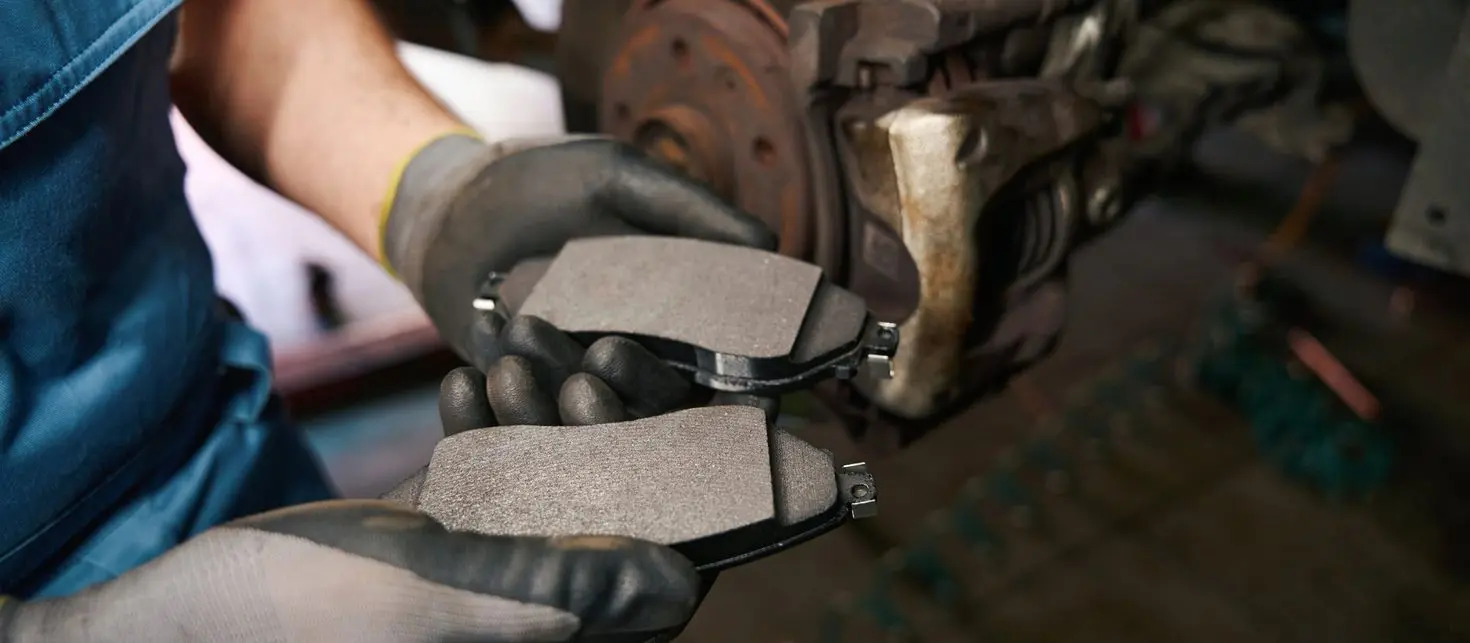
A dragging brake is another possibility when the car seems reluctant to pull away. Electronic throttle response can be involved, too. Tell us about any warning messages and whether this started after recent work. If the car has auto-hold or stop-start, mention those features as part of the description. They affect what you feel, but a new delay shouldn’t get waved away as just the way the car works. You know its usual behavior better than a generic description does.
Do Not Keep Trying Until It Catches
If engagement has become unreliable, the car lurches, or it slips badly, get to a safe stopping place and arrange a tow. The same goes for an overheating-transmission warning, a burning smell, or a substantial leak. Having it work on the second try doesn’t make pulling into traffic a good experiment. We’d rather you call about getting it here safely than force it along and hope the delay stays short.
Find Out Before Authorizing Transmission Repair
We can inspect for leaks, check the fluid by the appropriate method, and read fault codes and operating data from the engine and transmission. What we find determines the next test. Dark fluid by itself doesn’t tell us to replace a transmission, and fresh fluid can’t rebuild worn clutches. Call Import Specialty Service at (615) 834-6464 to arrange an inspection in Nashville, TN. Let us know if it happens cold, warm, or only in one gear. We’ll help you get from a worrying pause to a repair decision with something behind it.