Your vehicle’s factory maintenance schedule isn’t simply a list of suggestions from the manufacturer. It is a maintenance plan designed around the specific engineering, components, fluids, and operating requirements of your vehicle.
Whether you drive a BMW, Mercedes-Benz, Volvo, MINI, Acura, Honda, Lexus, Audi, Volkswagen, Land Rover, or another import vehicle, following the recommended maintenance schedule can help protect your investment, improve reliability, and reduce the risk of unexpected and expensive repairs.
Many drivers postpone maintenance when their vehicle seems to be running perfectly. The problem is that preventative maintenance is designed to address wear and potential problems before they become noticeable.
At Import Specialty Auto, we help Nashville drivers maintain European and Asian vehicles according to manufacturer recommendations while identifying potential problems before they turn into major repairs.
What Is a Factory Maintenance Schedule?
A factory maintenance schedule is a set of recommended inspections and services established by the vehicle manufacturer.
Depending on the vehicle, the schedule may be based on:
- Mileage
- Time
- Driving conditions
- Vehicle age
- Engine operating conditions
- Oil life
- Brake wear
- Fluid condition
- Other vehicle-specific data
Maintenance can include routine services such as oil and filter changes, inspections, fluid replacement, brake service, spark plug replacement, air filter replacement, and other scheduled maintenance.
The exact requirements vary significantly between makes, models, engines, and model years, which is why your owner’s manual and manufacturer maintenance information should be used as the primary reference for your vehicle.
Why Does the Factory Maintenance Schedule Matter?
Manufacturers spend years engineering and testing vehicles. Their maintenance recommendations are intended to help keep the vehicle’s major systems operating properly throughout its service life.
Following the schedule can help you:
- Reduce premature component wear
- Maintain vehicle performance
- Improve reliability
- Protect fuel efficiency
- Identify developing problems
- Maintain safety
- Preserve resale value
- Avoid preventable repairs
Maintenance doesn’t guarantee that a vehicle will never experience a failure, but it can significantly reduce the risk of problems caused by neglected service.
7 Reasons You Should Follow Your Car’s Maintenance Schedule
1. Prevent Small Problems From Becoming Major Repairs
Many expensive automotive repairs begin with relatively small problems.
A leaking seal, worn belt, contaminated fluid, weak battery, or deteriorating suspension component may not seem urgent at first.
If ignored, however, the problem can affect other components.
Regular maintenance gives technicians an opportunity to identify these issues early.
2. Protect Your Engine
Engine oil breaks down over time and becomes contaminated with combustion byproducts and other particles.
Regular oil and filter changes help maintain proper lubrication and protect internal engine components from excessive friction and wear.
Other scheduled services, such as air filter and spark plug replacement where applicable, also contribute to proper engine operation.
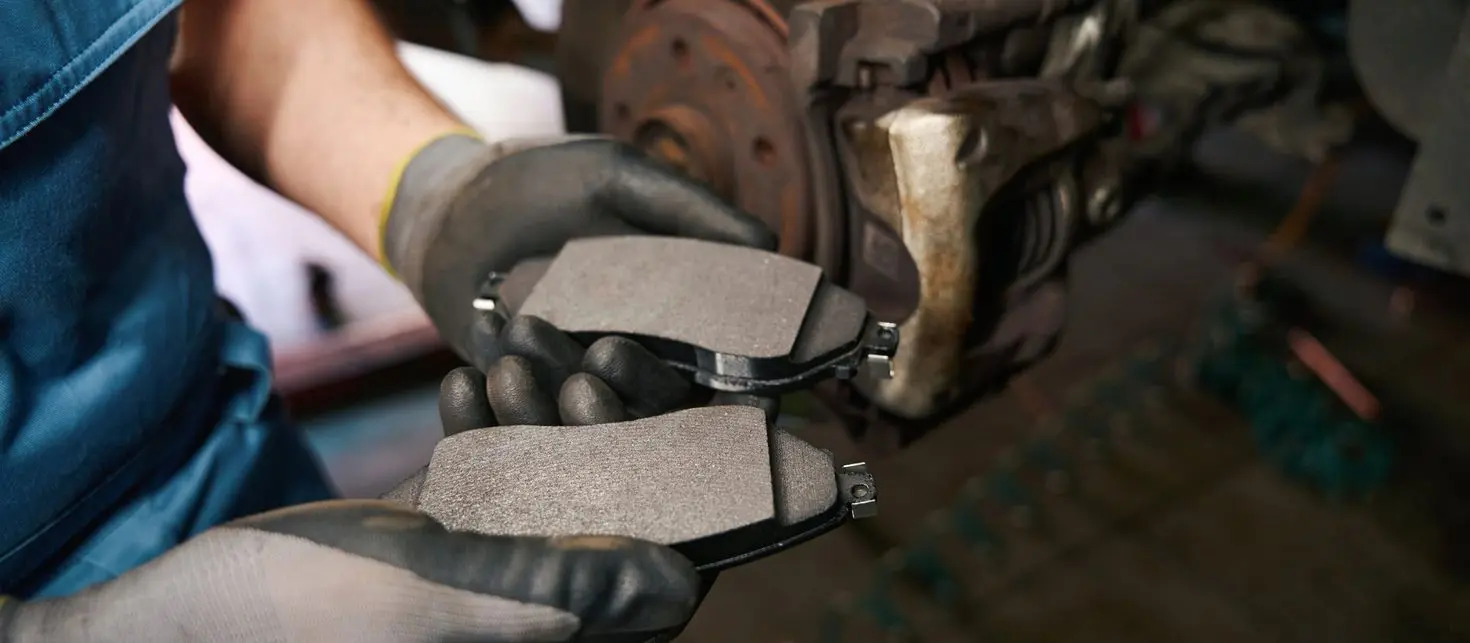
3. Maintain Proper Braking Performance
Brake components naturally wear as you drive.
Scheduled inspections can identify:
- Worn brake pads
- Thin brake rotors
- Brake fluid issues
- Sticking calipers
- Uneven brake wear
- Other braking-system problems
Addressing brake problems early can help maintain safe stopping performance and prevent additional damage.
4. Improve Vehicle Reliability
Nobody wants to be stranded because of a problem that could have been identified during routine maintenance.
Regular inspections can uncover developing problems with:
- Batteries
- Cooling systems
- Belts
- Hoses
- Suspension components
- Tires
- Fluids
- Electrical systems
Preventative maintenance gives you a better chance of addressing these problems on your schedule rather than waiting for an unexpected breakdown.
5. Preserve Fuel Efficiency
A poorly maintained vehicle may consume more fuel than necessary.
Issues such as incorrect tire pressure, restricted air filters, worn spark plugs, dragging brakes, or engine-performance problems can negatively affect efficiency.
Keeping the vehicle properly maintained helps its systems operate as efficiently as possible.
6. Protect Your Investment
Modern vehicles are significant investments.
Regular maintenance helps preserve the condition and value of your vehicle while creating a documented service history.
A complete maintenance record can also give future buyers greater confidence if you eventually sell or trade in the vehicle.
7. Maintain Manufacturer Specifications
Different vehicles require different fluids, parts, service intervals, and procedures.
This is especially important with European vehicles, which may have specific requirements for:
- Engine oil
- Coolant
- Brake fluid
- Transmission fluid
- Differential fluid
- Spark plugs
- Filters
- Timing components
- Electronic service procedures
Following the manufacturer’s recommendations helps ensure your vehicle receives the correct service for its specific design.
What Happens If You Ignore Your Maintenance Schedule?
Skipping one maintenance item doesn’t necessarily mean your vehicle will immediately fail.
The problem is cumulative neglect.
Repeatedly delaying maintenance can contribute to:
- Increased engine wear
- Reduced fuel economy
- Premature brake wear
- Cooling-system problems
- Transmission problems
- Suspension wear
- Battery failure
- Tire problems
- More expensive repairs
Some maintenance items are especially important because their failure can cause significant secondary damage.
For example, neglecting a fluid service or ignoring a developing leak may eventually affect expensive mechanical components.
Does a New Car Really Need Maintenance?
Absolutely.
A new vehicle may be less likely to have age-related failures, but it still requires regular maintenance.
Oil, filters, fluids, tires, brakes, and other components still experience wear or deterioration based on mileage and time.
Following the factory schedule from the beginning also establishes a strong maintenance history.
What About a High-Mileage Vehicle?
High-mileage vehicles often require even more attention.
As vehicles age, components naturally wear and certain maintenance items become increasingly important.
For a higher-mileage import vehicle, a comprehensive inspection can help identify:
- Fluid leaks
- Suspension wear
- Steering problems
- Cooling-system issues
- Engine oil leaks
- Worn belts and hoses
- Battery problems
- Brake wear
- Drivetrain issues
A maintenance schedule shouldn’t be viewed as something you stop following once your vehicle reaches a certain mileage.
Instead, maintenance becomes increasingly important as the vehicle ages.
Does Every Vehicle Have the Same Maintenance Schedule?
No.
Maintenance requirements can vary substantially between vehicles.
For example, a turbocharged European vehicle may have different oil, spark plug, cooling-system, and drivetrain requirements than a naturally aspirated vehicle.
Even two vehicles from the same manufacturer may have different maintenance schedules depending on their:
- Engine
- Transmission
- Model year
- Drivetrain
- Mileage
- Driving conditions
Always use the maintenance information specific to your vehicle.
What Is Preventative Maintenance?
Preventative maintenance means servicing and inspecting components before they fail.
Instead of waiting for a warning light, unusual noise, or breakdown, preventative maintenance allows technicians to identify developing problems early.
Common preventative maintenance services include:
- Oil and filter changes
- Brake inspections
- Tire inspections
- Battery testing
- Fluid inspections
- Cooling-system inspections
- Air filter replacement
- Cabin filter replacement
- Spark plug replacement
- Suspension inspections
- Steering inspections
- Computer diagnostics
Preventative maintenance is one of the best ways to reduce unexpected repair expenses.
How Driving Conditions Affect Maintenance
Your driving habits and environment can affect how quickly certain components wear.
Vehicles that regularly experience:
- Stop-and-go traffic
- Short trips
- Extreme temperatures
- Heavy loads
- Towing
- Frequent idling
- Dusty or dirty environments
- Rough roads
may require additional attention compared with vehicles primarily driven under ideal conditions.
If you drive primarily around Nashville, frequent traffic and hot summer temperatures can also place additional demands on certain vehicle systems.
Your technician can help determine whether your driving habits qualify as severe service under your vehicle manufacturer’s recommendations.
Why European Vehicles Need Specialized Maintenance
European vehicles such as BMW, Mercedes-Benz, MINI, Volvo, Audi, Volkswagen, and Land Rover often use sophisticated mechanical and electronic systems.
Proper maintenance may require:
- Manufacturer-specific diagnostic equipment
- Specialized tools
- Vehicle-specific fluids
- OEM or high-quality replacement parts
- Model-specific service procedures
- Experienced European vehicle technicians
Choosing a shop familiar with your vehicle’s engineering can help ensure maintenance is performed correctly.
How Much Does Preventative Maintenance Cost?
The cost depends on your vehicle, mileage, maintenance requirements, and services due at the time.
Some maintenance services are relatively inexpensive, while others can involve more significant costs.
However, preventative maintenance should be viewed as an investment rather than simply an expense.
Replacing a filter, fluid, belt, or other wear component is generally much less expensive than repairing major damage caused by a neglected maintenance item.
Should You Follow the Dealership’s Maintenance Schedule?
You should follow the manufacturer’s maintenance requirements, but that doesn’t necessarily mean every service has to be performed at a dealership.
A qualified independent European vehicle specialist can often perform manufacturer-recommended maintenance while providing personalized service and competitive pricing.
The important thing is that the correct procedures, parts, fluids, and service intervals are followed.
Why Choose Import Specialty Auto for Factory-Scheduled Maintenance?
At Import Specialty Auto, we specialize in European and Asian import vehicles and understand the importance of following manufacturer-recommended maintenance.
Our services include:
- Factory-scheduled maintenance
- Preventative maintenance
- Oil and filter service
- Brake inspections and repair
- Fluid services
- Vehicle inspections
- Computer diagnostics
- Suspension inspections
- Steering inspections
- Cooling-system service
- European vehicle repair
Our technicians focus on more than simply completing a checklist. We inspect your vehicle for developing problems that could affect reliability, safety, and long-term ownership costs.
Don’t Wait for a Warning Light
One of the biggest mistakes drivers make is waiting until something goes wrong before servicing their vehicle.
Maintenance is most effective when it happens before a problem becomes obvious.
Following your manufacturer’s maintenance schedule can help you stay ahead of wear, protect your investment, and enjoy greater confidence behind the wheel.
If your vehicle is due for scheduled maintenance or you aren’t sure what services it needs at its current mileage, the team at Import Specialty Auto can help.
Contact us today to schedule your factory-recommended maintenance service in Nashville.
FAQs
Is it really necessary to follow my car’s factory maintenance schedule?
Yes. The manufacturer’s maintenance schedule is designed specifically for your vehicle and helps maintain its reliability, performance, safety, and longevity.
What happens if I skip scheduled maintenance?
Skipping maintenance can increase the risk of premature wear, reduced performance, breakdowns, and expensive repairs. Some neglected maintenance items can also cause damage to other components.
Can regular maintenance save me money?
Yes. Preventative maintenance can identify and correct smaller problems before they develop into more expensive repairs. It also helps reduce unexpected breakdowns and premature component replacement.
Does maintenance matter if my car is running perfectly?
Yes. Many maintenance items are based on time or mileage rather than symptoms. A vehicle can appear to run perfectly while fluids, filters, belts, brakes, or other components are approaching the end of their useful service life.
How often should I service my car?
The correct interval depends on your vehicle’s make, model, engine, mileage, age, and driving conditions. Your owner’s manual and manufacturer maintenance information should be used to determine the appropriate schedule.
Does a high-mileage car need more maintenance?
High-mileage vehicles often benefit from more frequent inspections because components naturally wear as the vehicle ages. Your technician can recommend maintenance based on the vehicle’s condition and manufacturer requirements.
Can an independent repair shop perform factory maintenance?
Yes. A qualified independent repair shop can perform many manufacturer-recommended maintenance services. The key is choosing a shop with the appropriate knowledge, tools, equipment, and parts for your vehicle.
Is factory maintenance the same for every car?
No. Maintenance schedules vary by manufacturer, model, engine, transmission, drivetrain, model year, mileage, and driving conditions.
What is the difference between preventative maintenance and repairs?
Preventative maintenance is performed to reduce the likelihood of future problems, while repairs are performed after a component develops a problem or fails. Regular preventative maintenance can reduce the need for unexpected repairs.
What maintenance should I never ignore?
Oil changes, brake inspections, fluid services, cooling-system maintenance, tire care, and manufacturer-recommended inspections should not be routinely postponed. Any warning light, fluid leak, unusual noise, or significant change in vehicle performance should also be investigated promptly.
How can I find out what maintenance my car needs?
Start with your owner’s manual or manufacturer’s maintenance information. You can also have a qualified technician review your vehicle’s mileage, age, service history, and current condition to determine what maintenance is due.