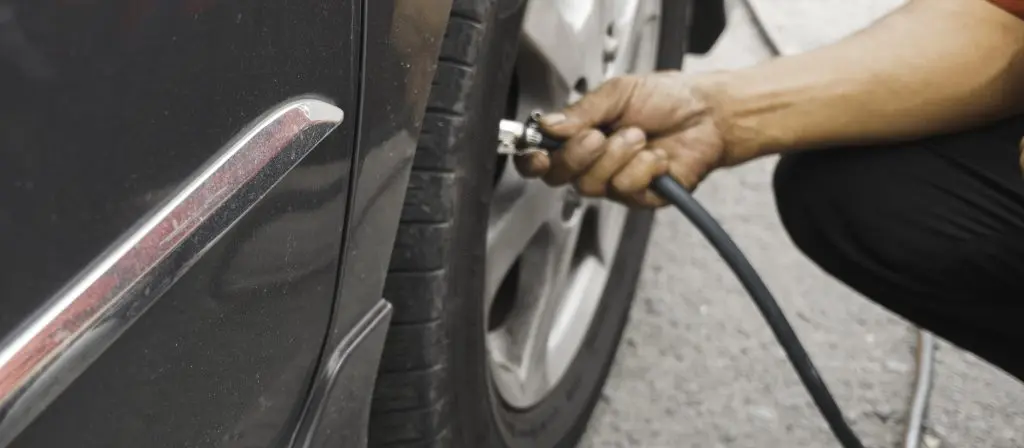
You’ve put the cap back on, put the gauge away, and climbed into the car. According to the screen, nothing happened. Before getting out to do the whole thing again, it’s worth checking when your car actually updates that number. It may still be telling you about the tire before you added air.
That’s the first detail we want to untangle at Import Specialty Service: what was measured, and when? If one number came from the driveway before breakfast and the other appeared after a drive, you’ve also changed the temperature in between. Warm tires normally read higher. That isn’t a fair way to decide which instrument is accurate.
The Display Has Its Own Routine
This is one of those small ownership details that may actually send you back to the manual. A direct TPMS has sensors measuring pressure, but the number you can see isn’t necessarily new every second. On some setups, the display waits for particular driving conditions before it refreshes. You can be staring at it quite intently and still be staring at old information.
Other cars use indirect monitoring, looking at wheel-speed and related data for signs of underinflation. Those systems generally don’t provide actual measured PSI for individual tires. If yours only gives a warning light, there’s no missing number you need to find in a menu. It still needs the appropriate pressure checks and reset procedure described by the manufacturer.
Don’t Make A Drive The First Test
If the tire is damaged, flat-looking, or has been driven seriously low, have it inspected before reinflation or further use. You can’t see all casing damage from outside. Instructions about driving to update a display aren’t permission to take a suspect tire for a lap around the block.
For an ordinary pressure adjustment on sound tires, check before driving after at least three hours parked. The door placard or manual gives the cold setting for the vehicle; the sidewall rating isn’t an all-purpose substitute. A hot tire should not have air bled out merely to bring it down to that cold number.
Put The Two Readings On Equal Terms
We want current gauge and sensor measurements taken as close together in time and conditions as practical. Sometimes that takes a little investigation of the system rather than another squeeze of the air hose. Rounding can explain small differences, but a persistent discrepancy or warning deserves checking against the manufacturer’s information. There isn’t one acceptable PSI gap that fits every car.
Then there’s the gauge itself. Has it taken a fall onto the driveway? Does the mechanism catch? For a digital one, how old is the battery? Check those things and the maker’s instructions. If air keeps hissing around the valve connection, reseat the tool. A repeated reading only demonstrates consistency; known-accuracy reference equipment is needed to assess accuracy properly. Two unverified gauges agreeing doesn’t settle it.
Tell Us About The Wheel Work
A rotation or replacement sensor may leave the system needing a position relearn. The screen could be naming the wrong corner. Old or missing data can also involve sensor communication trouble, and a real leak can coexist with any of these issues. We don’t want to fix the display and overlook the tire.
Call Import Specialty Service in Nashville, TN at (615) 834-6464 and bring the gauge along if you can. We’ll talk through what each reading is doing, including when it changes. It’s better than spending your afternoon adding and releasing air to make two numbers agree by accident.